
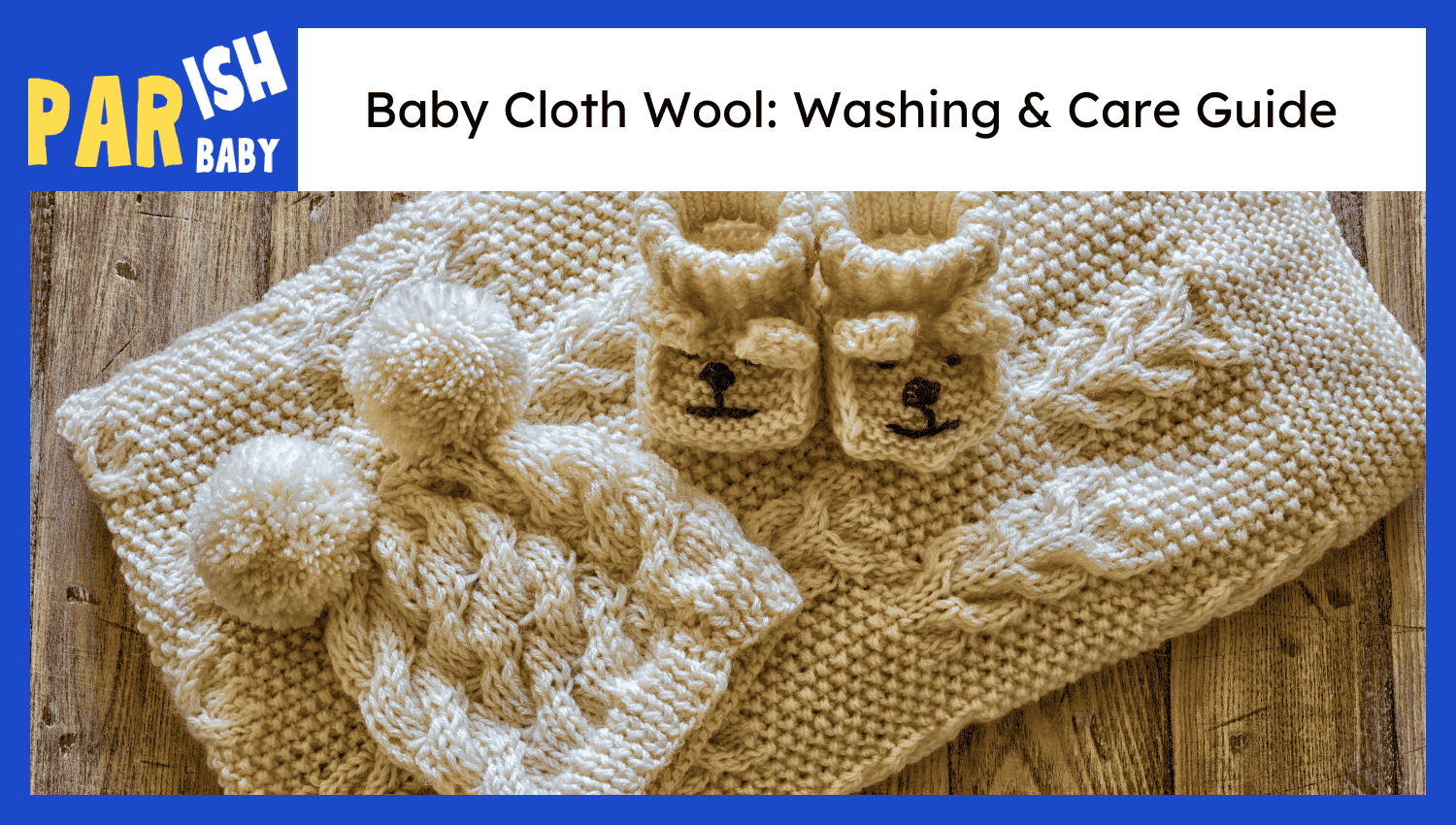
Wool cloth is made up of fleece from sheep, lambs, and hair of the Angora or Cashmere goat. It is a soft and flexible fabric for babies with sensitive skin. Wool baby clothes are breathable, so they regulate the body temperature according to the surroundings. These baby clothes keep babies warm and protect them from the cold in winter. There is no need to wash them on a daily basis due to their soft threads. Wool clothes require special care when washing compared to linen and cotton clothes. Their threads come off after poor washing and ruin the entire clothes. This naturally warm cloth is hypoallergenic with pure wool. They retain their shape for years when kept with care.
Which Detergent Is Safe for Wool Baby Clothes?
Here are the three detergents to wash wool baby clothes:
- Wool-Safe Detergent: Wool-safe detergent is a fragrance and dye-free detergent with neutral pH to keep clothes safe from fading. This detergent protects the threads from weakening and clothes from losing their quality.
- No Bleach or Enzymes: No bleach or enzyme detergents do not contain any toxic chemicals like sulfates or phosphates that strip the body oils and leave skin dry. These non-biological detergents protect clothes from patches and irritation in babies.
- Liquid Preferred: Prefer the liquid mid detergent over the powder one because it blends well in the water and leaves no solid residues on the bottom. These liquid detergents are also easy to rinse away when washing baby clothes.
What Is the Best Water Temperature for Washing Wool?
Here are the three temperature recommendations for washing the wool baby clothes:
- Cold to Lukewarm: Cold to lukewarm water at 30 °C is suitable for washing wool baby clothes. It protects the colors from fading and weakening of the threads. Lukewarm water is best for washing baby clothes of any type with mild or no stains.
- Warm Water: Warm water with around 30 to 60 °C is suitable only for heavily soiled clothes to loosen the dirt. It is not recommended to dip clothes for a long time in warm water, as the fabric becomes extra soft and weak.
- Hot Water: Don’t wash clothes with hot water of 40 °C or above, as it damages the fabric and shrinks it. It also decreases the lifespan and lowers the quality of clothes.
How to Wash Baby Wool Clothes in a Machine?
Here are the six tips to wash baby wool clothes in a machine:
- Gentle Cycle: Set the machine cycle to gentle instead of the hard one because the wool threads come off.
- Avoid Overloading: Use the two-thirds thumb rule when filling the machine with clothes. Pretreat the stains with vinegar or baking soda. Sort them according to color and stains. Put them in a machine and provide enough space to move freely.
- Mild Detergent: Use a mild detergent with no fragrance to wash baby clothes. It removes stains and also protects the clothes from fading.
- Use Mesh Bags: Mesh bags are made up of polyester, nylon, and cotton to wash the bibs, towels, and baby socks. These bags protect the tiny accessories from getting lost in the machine after a spin. It’s easy to locate them with these bags.
- Low Spin Speed: Set the speed to low spin so clothes don’t tangle with one another.
- Extra Rinse: Rinse the clothes after taking them out of the machine with clear running water. This extra rinse step makes sure that the detergent comes off completely.

How to Hand-Wash Baby Wool Clothes Safely?
Here are the steps to wash the baby’s clothes safely by hand:
- Lukewarm Water: Take a bucket of lukewarm water to remove the loose dirt particles from clothes.
- Mild Detergent: Mix the right quantity of mild detergent and stir it well until it mixes thoroughly with water. Don’t let the powder residues sit down.
- Gentle Stain Removal: Use gentle stain removals such as vinegar, baking soda, or lime juice.
- Soak for Stains: Soak clothes in a water bucket for almost 15 minutes and then rub them with gentle hands. Don’t use any hard-bristle brushes as they loosen the threads.
- Thorough Rinse: Rinse them with running water to remove the detergent and wash them. Avoid using any softener because they contain harmful toxins that deteriorate the cloth quality and cause allergic reactions.
- Avoid Wringing: Push clothes against the basin to remove excess water. Wringing leaves wrinkles behind.
- Dry Immediately: Hang clothes on a crossline or drying rack in open air. Flat drying works best for wool clothes.
How Should You Dry and Iron Baby Wool Clothes?
Here are the four tips to dry and iron baby wool clothes:
- Avoid Hanging: Don’t hang these soft wool clothes for too long. Prevent direct exposure to sunlight and let them dry in the shade.
- Lay Flat to Dry: Use a flat drying process to keep them in shape even without ironing. Set the sleeves, collar, and shirt to make sure it does not get wrinkles after drying.
- Prevent Wrinkles: Don’t pile clothes after drying and store them immediately to prevent wrinkles.
- Low-Heat Steam Iron: Use low steam heat to iron these wool clothes. Overheating affects the fiber and burns the threads. Turn the embroidered or sensitive clothes inside out to save them from overheating.
How Should You Store Baby Wool Clothes?
Here are the three tips to store baby clothes:
- Clean & Dry Place: Use a clean and dry place to store the baby’s wool clothes. Don’t store damp clothes to prevent the bad odour and mildew growth.
- Sort by Size/Use: Sort all the clothes according to their use and size to avoid a mess later on. Keep the frequently used one on top for future needs.
- Breathable Storage: Use a fabric bag to store the clothes. Make sure it’s breathable and free from holes to protect it from insects.
- Moth Protection: Use cedar blocks or sachets to protect wool baby clothes from insect attacks. They have a strong odour that keeps interrupting the insect signaling and trails.
What Special Care Tips Help Maintain Baby Wool Clothes?
Here are the tips to maintain the baby’s wool clothes:
- Spot Clean Stains: Use gentle detergents to remove the stains immediately and then pile them for a machine cycle.
- Air Out Between Wears: Air the clothes after wearing, such as uppers or tops that are not frequently worn. It overcomes the bad odor and protects them from daily washes.
- No Fabric Softeners: Don’t use any fabric softener for fragrance in clothes. They cause irritation and skin rashes in babies.
- Extra Care for Knits: Wash the hand-knit clothes gently and prefer to hand-wash them.