
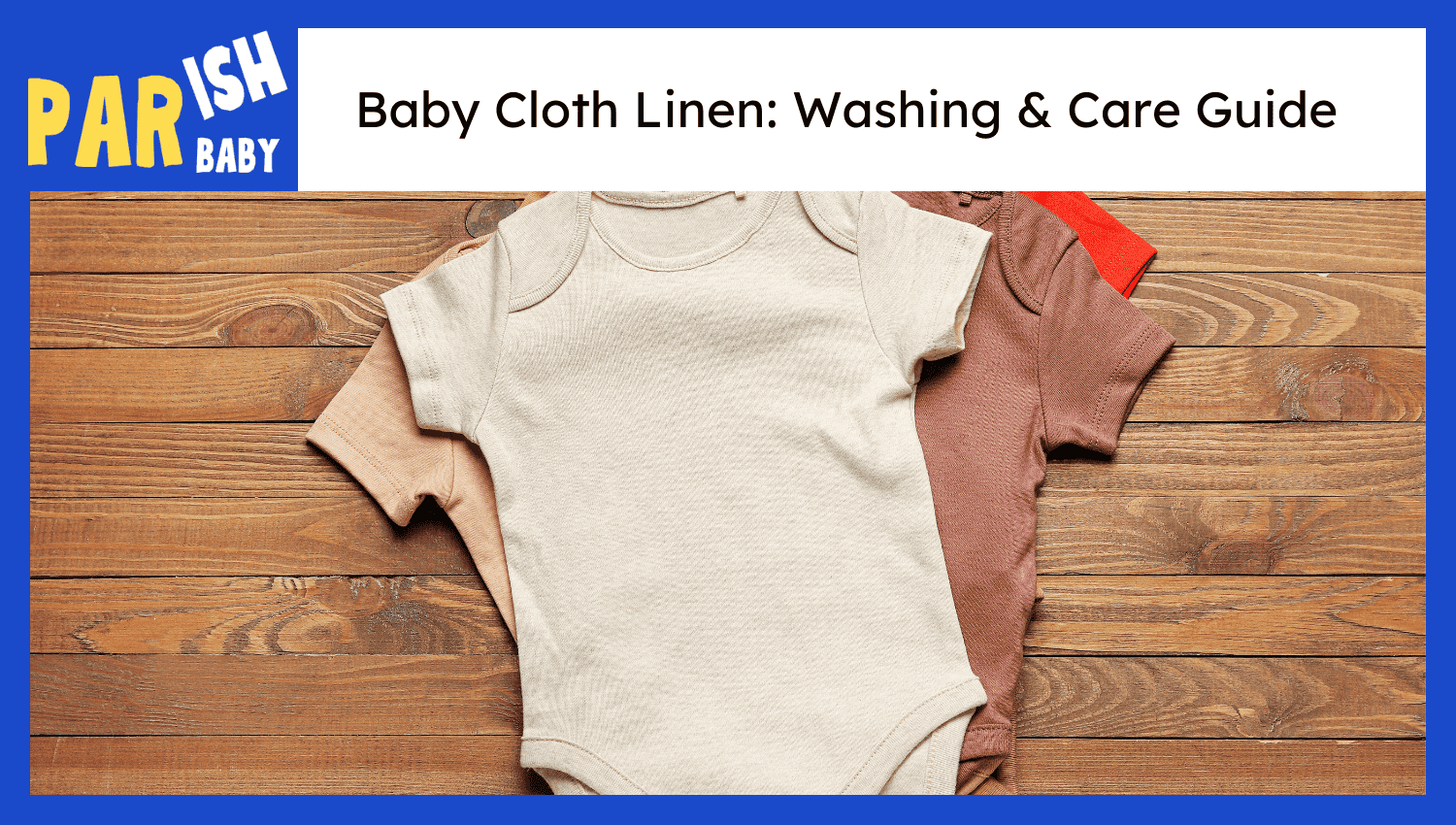
Linen is a soft, flexible, and eco-friendly fabric that protects babies from skin rashes. It has thermoregulating properties to prevent excessive sweating and antimicrobial properties against fungi and bacteria. Linen baby clothes are breathable and get softer whenever washed. They are made up of natural flax fibers, which makes them suitable for babies. Linen clothes require specific detergents to protect them from fraying or snagging. Use the right washing technique, water temperature, and read the instructions to increase the lifespan of baby linen clothes. Linen is not stiff like cotton nor soft like bamboo. It is a durable and comfortable clothing material.
Which Detergent Is Safe for Linen Baby Clothes?
Here are three detergents that are safe for linen baby clothes:
- Mild & Hypoallergenic: Mild hypoallergenic detergents are free from any fragrance or dye. They do not contain any additive that causes allergic reactions in babies.
- No Bleach or Harsh Chemicals: This detergent has no phosphates, sulfates, or bleaching agents. These additives strip the oils from the baby’s skin and cause flakes. Their skin gets damaged and becomes flaky over time.
- Liquid Detergent Preferred: Liquid agents without any toxic chemicals or bleaching additives are recommended over the powder ones. Liquid detergent blends well with water and leaves no residue behind like powder detergent does.
What Is the Best Water Temperature for Washing Linen?
Here are the three water temperature recommendations when washing baby linen clothes:
- Cold to Lukewarm: Cold to lukewarm water (30 °C) is suitable for washing all the baby’s linen clothes. It protects the real colors of the clothes from fading or the threads from weakening.
- Warm water: Warm water between 30 and 60 °C is used to wash the heavily soiled baby clothes. This warm water sanitizes the clothes and removes the loose dirt particles. Unlike hot water, which subjects clothes to wear and tear, warm water only softens the stains for easy removal.
- No Hot Water: No hot water is the normal water temperature for washing clothes. It protects people from extra energy consumption and efforts to heat water.
How to Wash Linen Baby Clothes?
Here are the two ways to wash the linen bay clothes:
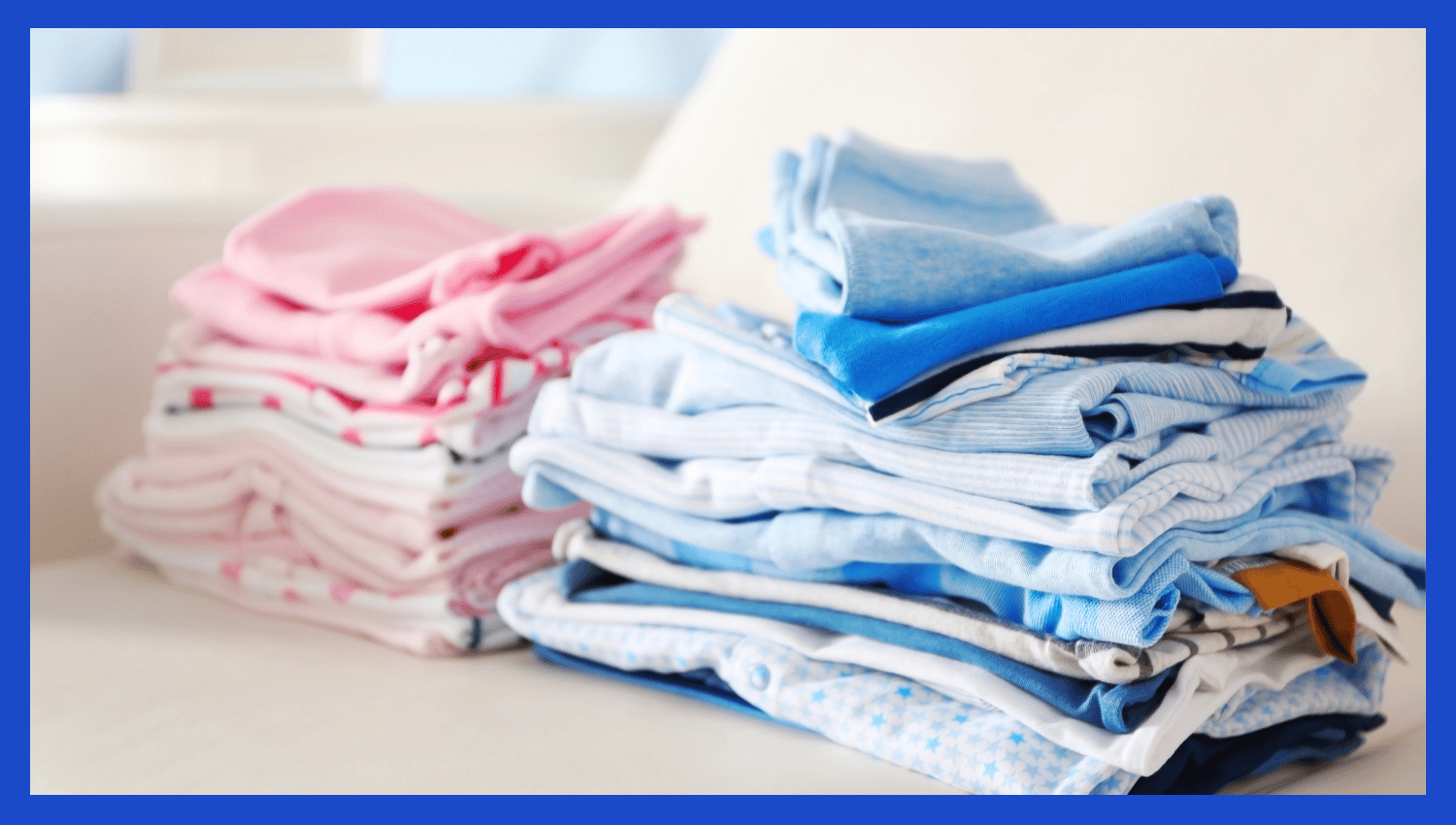
- Machine Wash: Linen clothes require special attention when washing in a machine. Set the gentle cycle and low spin speed to protect clothes from fraying. Pour the recommended quantity of detergent into the machine and fill two-thirds according to the thumb rule. Provide sufficient space for clothes to move around when spinning. Use a mesh bag to wash the mini socks or bibs. This bag makes it easy to locate them after washing. Extra spin the machine when washing heavily soiled clothes.
- Hand Wash: A bucket filled with water and a few drops of mild detergent is required for handwashing clothes. Mix the detergent and water well, and soak the clothes one by one in this water bucket. Make sure to pre-treat the stains with home cleaners like baking soda or salt. Keep this bucket aside for a few minutes until the fabric softens and loses the dirt in the water. Don’t use any brushes as they leave scratches. Gently rub the clothes to remove the loose stains. Wash them well under running water to get rid of the detergent. Remove the excess water and allow them to air dry completely before storing.
How Should You Dry and Iron Linen Baby Clothes?
Here are the five tips to dry or iron linen baby clothes:
- Air-Dry in Shade: Dry the clothes in a shady place and protect them from direct contact with sunlight. Intense heat damages the fabric and fades it within a few hours.
- Flat or Hanging Dry: Spread clothes on the flat floor or hang them on a clothesline until they dry completely. Flat drying protects the clothes from wrinkles, so reshape the sleeves, collar, and t-shirts of babies like they are ironed.
- Low-Heat Tumble: Set the temperature of tumble to 125°F (50°C) when necessary to dry baby linen clothes. It protects them from shrinking and increases the lifespan of garments.
- Iron While Damp: Don’t wait to iron clothes until they get dry completely. Iron damp clothes to remove wrinkles. Slightly damp clothes minimize the chances of fiber damage.
- Low to Medium Heat: Turn the embroidered baby linen clothes inside out and set the steam heat from low to medium.
How Should You Store Linen Baby Clothes?
Here are the four tips to store the baby’s linen clothes:
- Cool & Dry Place: Clean the surface thoroughly to store clothes for the long term. Make sure there are no damp clothes while storing, as they create a bad odour and mildew growth over time.
- Neat Folding: Fold the clothes neatly to avoid any creasing. This process makes it easy to access clothes in the future. Keep the frequently used linen clothes on top to prevent a messy situation.
- Breathable Storage: Use fabric bags to store clothes in drawers. Cover them in a cotton cover to protect from cloth-eating insects. They create holes and eat away at the clothes when left unchecked for a longer duration. Keep a check on clothes to check if there is something that is affecting their quality.
- No Direct Sunlight: Keep baby clothes away from direct sunlight to protect their fresh look and colors.
What Special Care Tips Help Maintain Linen Baby Clothes?
Here are the four care tips to maintain baby linen clothes over time:
- Immediate Stain Care: Treat the stains quickly with readily available products at home, like lemon juice or baking soda. They remove the stain to some extent and soak the clothes in water with a mild detergent.
- Avoid Over-Washing: Avoid frequently washing baby clothes, even when they are clean. Over-washing affects the quality and lifespan of fabric.
- No Fabric Softeners: Don’t use fabric softeners as they contain toxic chemicals that cause allergic reactions in babies.
- Extra Wash for Bibs & Towels: Wash the bibs, towels, and socks frequently, as they get dirt easily and pick up a lot of germs from the surroundings.