
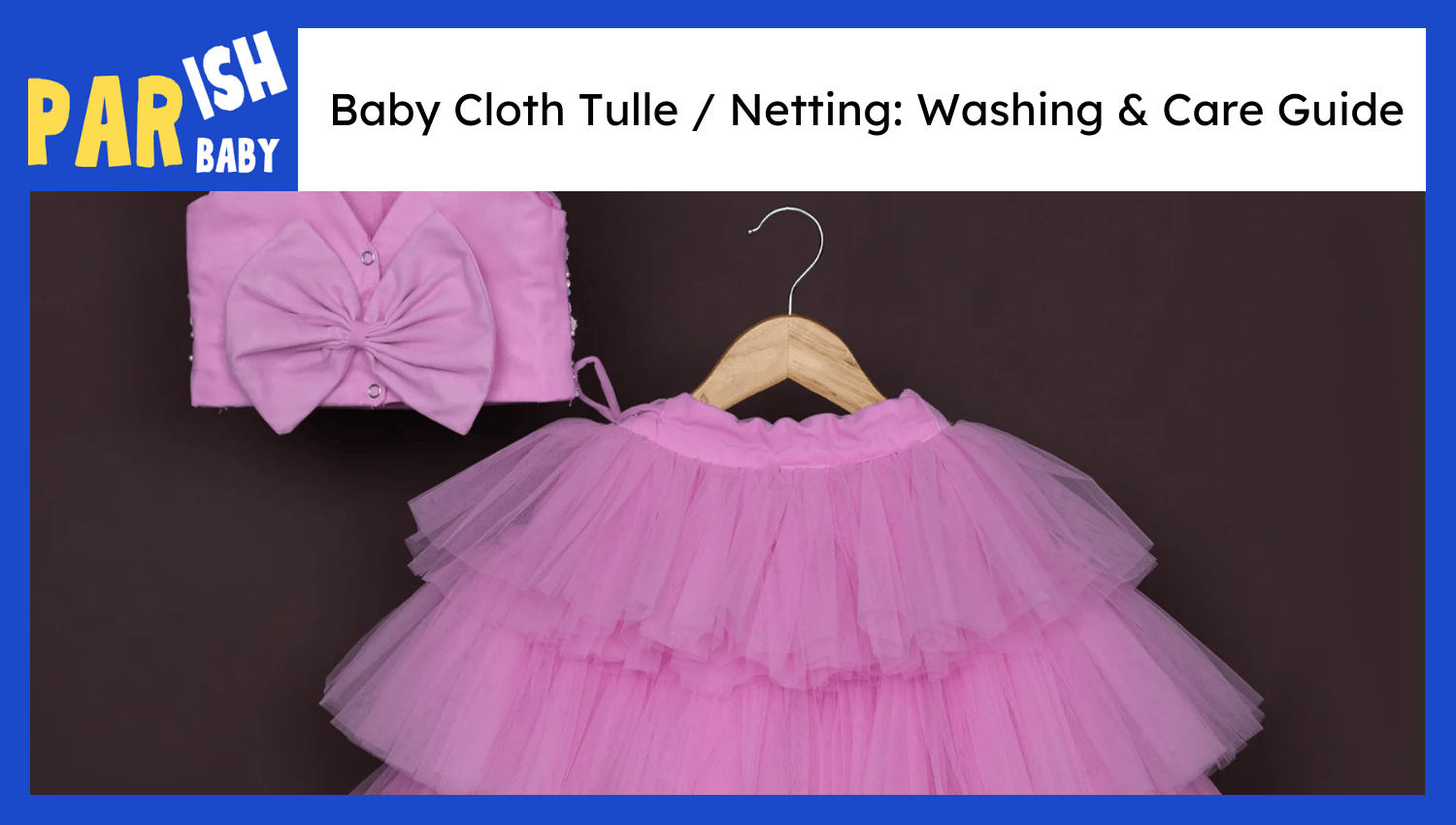
Tulle is a netting fabric that is very delicate and usually composed of silk, nylon, or polyester. Baby dresses, skirts, and headbands are made of a soft and smooth material that gives them a lovely airy look. Its comfort and grace make it a perfect choice for parents.
The material is delicate and it is easy to shape and wear on the outfit. Its decorative style is not overbearing and is voluminous, fitting baby outfits. It is also strong and still feels soft with different fibers like nylon and polyester.
Tulle is very easily torn as it is a net-like weave. Delicate treatment prevents the destruction of the cloth. Washing and care ensure the thread is well kept, and the cloth remains beautiful and can be used again in the baby’s clothes.
Which Detergent Is Safe for Tulle / Netting Baby Clothes?
Here are the three recommendations for tulle/netting baby clothes:
- Mild, Hypoallergenic Detergent: Tulle baby clothes are suitable for washing with a gentle, hypoallergenic detergent. This option minimizes the chances of rashes on the sensitive skin of a baby and keeps the fragile cloth clean without causing any severe consequences.
- No Harsh Chemicals: Bleach and harsh chemicals in detergents do not weaken or make tulle yellow. This makes the netting maintain its original color and feel even after it has been washed.
- Prefer Liquid Detergent: Liquid detergent is better than the powdered ones as it dissolves easily in water. It is easily washed without any residues between the tiny holes of the cloth, which makes baby clothes soft and easy to wear.
What Is the Best Water Temperature for Washing Tulle / Netting?
Here are the three temperature recommendations for washing tulle/netting baby clothes:
- Cold Water Recommended: Tulle is soft and safe to use in cold water. It aids the cloth in retaining its shape without shrinking. Washing baby clothes in cool water keeps the clothes comfortable. This soft temperature does not cause stress to delicate netting threads.
- Avoid Hot Water: Hot water is damaging to tulle as it weakens or bends fine fibers. Heat leads to the possibility of distortion that causes the fabric to lose its airy appearance. Cold water enhances the material and keeps it strong and smooth once washed.
- Gentle Cycle or Hand Wash: Tulle can be washed and left in good condition. A soft cycle or hand washing method is used to minimize the pulling and tearing of netting. Such a cautious approach ensures that the baby’s clothes remain clean, fresh and durable without destroying the textile.
How to Wash Tulle / Netting Baby Clothes?
Here are the four ways to wash tulle/netting baby clothes:
- Hand Wash Preferred: Washing of hands ensures that the tulle cloth is not damaged. Putting the cloth in the water gently with soapy water does not pull or snag the threads. This procedure assists the fragile netting to remain soft, smooth and intact to be used longer.
- Machine Washing: In case of a machine, put the baby clothes into a mesh laundry bag. Choose the fine spin, to restrain harsh spinning. Such a construction reduces the stress on the fabric and preserves the airy and light appearance.
- Do Not Overload Washer: The addition of excessive numbers of clothes to the tulle causes friction. Crowding causes tangling, stretching or little tears on the netting. The fact that the load is kept light keeps the soft fabric safe and in good condition.
- Minimal Washing: Tulle baby clothes do not require frequent washing unlike daily wear fabrics. Washing dirty clothes avoids the weakening of the threads. The practice prolongs the life of the netting at the same time maintaining the outfit fresh and safe.
How Should You Dry and Iron Tulle / Netting Baby Clothes?
Here are the four tips to dry and iron tulle/netting baby clothes:
- Air-Dry Flat or Hang: Lay baby clothes made of tulle flat on a clean towel or hang. The technique helps to retain the shape of the fabric and avoids stretching. Air drying is mild and it helps to retain the light texture of the netting.
- No Direct Sunlight: Keep drying tulle off the excess sunlight. Bright rays lead to discoloration and deterioration of fibers with time. A shaded or indoor location is more effective as it helps to retain the tender fabric and its original color.
- Do Not Tumble Dry: The problem with dryers is that they destroy fragile fibers with heat. Polyester or nylon is a man-made fiber that softens when exposed to high temperatures. Natural drying prevents shrinkage and distortion of the fibers to protect the structure of the fabric.
- Steam Instead of Ironing: Direct ironing has the danger of burning or flattening the netting. A mild steaming procedure prevents any wrinkles and preserves the volume. Keep the steamer at a slight distance to ensure that the fabric is not subjected to harmful heat.
How Should You Store Tulle / Netting Baby Clothes?
Here are the four tips to store tulle/netting baby clothes:
- Cool, Dry Place: Keep tulle baby clothes in a cool and dry place. This helps to avoid the growth of molds or mildews and preserve the fibers. The exposure of moisture to sensitive threads undermines them. Clean storage helps to maintain fabric quality with extended use.
- Hang on Padded Hangers: Wear padded hangers to baby dresses or tulley-made skirts. The padding eliminates sharp hanger notations and minimizes creases. Hanging does not flatten the fine layers of netting as they are in their original shape.
- Use Garment Bags: Store tulle baby clothes in breathable garment bags. Such bags keep off dust, lint, and snag accidents. A cotton or muslin bag has air flow but offers a safe cover that does not damage the fabric.
- Keep Away from Sunlight: Keep tulle garments out of the sun. Extensive exposure to light bleaches colors and deteriorates the fibers. A darkened closet or a drawer can ensure the netting remains soft and bright to continue using it in the long run.
What Special Care Tips Help Maintain Tulle / Netting Baby Clothes?
Here are the four special care tips to maintain tulle/netting baby clothes:
- Treat Stains Immediately: Tulle stains are fast to respond to. Mild spot cleaners are the best since they clean without damaging the thin fibers. This is a method of preserving baby clothes and keeping them lasting longer.
- Avoid Rubbing Fabric: The friction makes the netting unable to rub stains. Dabbing does not tear the threads and picks up the marks. This prevents the stressful nature of the fine weave.
- Check for Snags: Minor entanglements in tulle are propagated quickly when untreated. When clothes are checked after each use, the loose threads are discovered early. Repairing fast makes the outfit tidy and available to use again.
- Handle with Care: Tulle garments are better maintained when used less frequently. Restricting usage to special occasions helps keep the fabrics strong and in their shape, increasing the life of the daintily dressed baby outfits.