
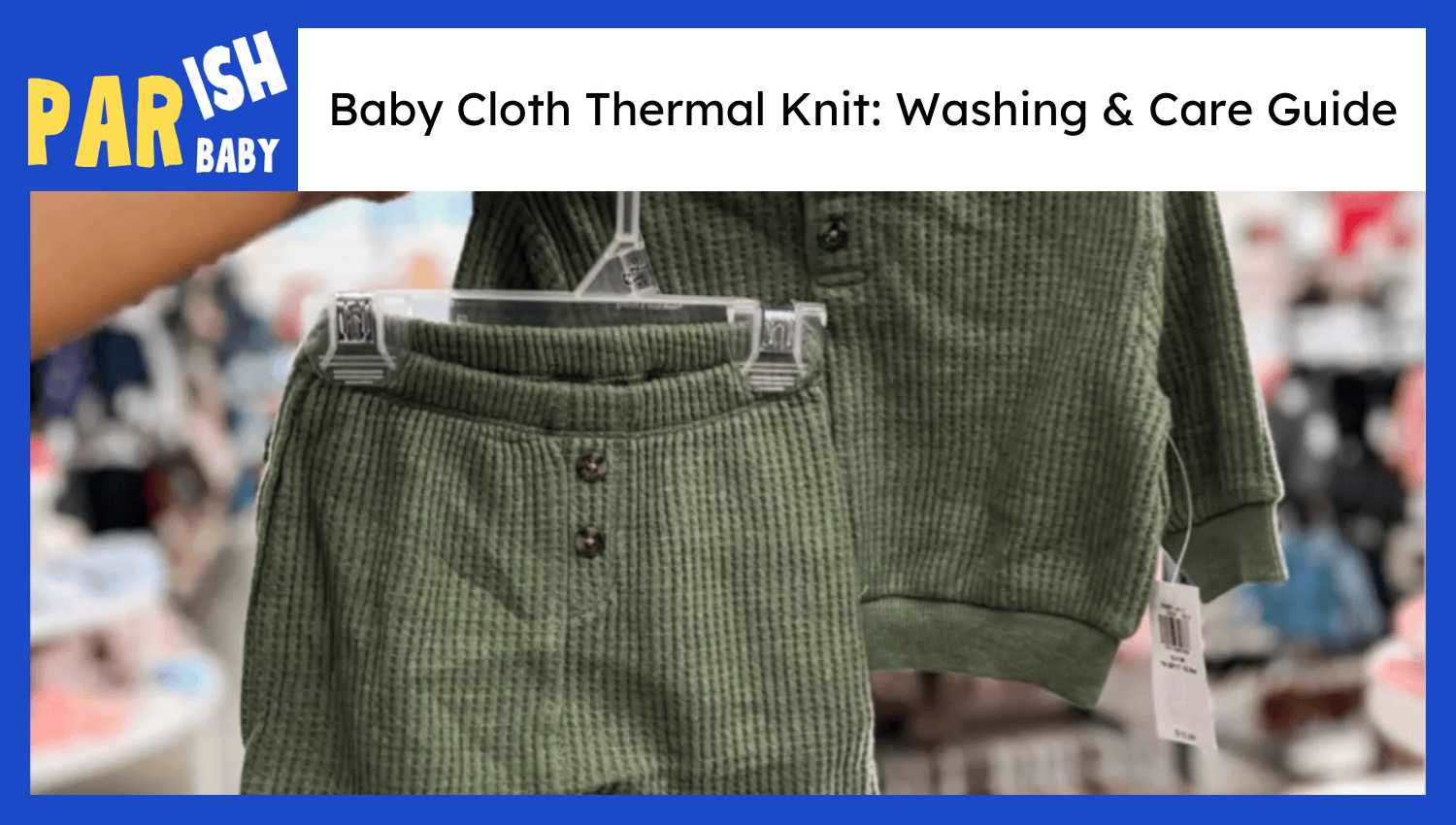
Thermal knitwear is a stretchable fabric. Weave helps to provide the babies a warm and snug environment even in cold weather. Parents wear it on baby clothes since it is both comfortable and insulating.
The cloth is smooth to sensitive skin. The stretch is easy to move about and the breathable quality prevents overheating. This helps to wear thermal knit every day and also to layer it during winter.
Delicate care ensures that thermal knit is safe for babies. Mild detergent in cold water safeguards the stretch and shape. Air or low heat drying keeps the fabric warm, flexible and comfortable to wear over a long period.
Which Detergent Is Safe for Thermal Knit Baby Clothes?
Here are the three recommendations for thermal knit baby clothes:
- Mild, Hypoallergenic Detergent: Wash a baby using a mild, hypoallergenic detergent to take care of the sensitive skin. Light cleaning makes the cloth clean and reduces the risk of discomfort and rash.
- No Harsh Chemicals: Select bleach-free or strong additive detergents. Hard chemicals weaken fibers, diminish softness and decrease the life of thermal knit fabric.
- Prefer Liquid Detergent: Use liquid detergent as it dissolves fully in water. It cleanses easily and does not leave any residue on the knitwear, making the fabric smooth and comfortable.
What Is the Best Water Temperature for Washing Thermal Knit?
Here are the three temperature recommendations for washing thermal knit baby clothes:
- Cold or Lukewarm Water: Cold or lukewarm water is used to clean the thermal knit baby clothing. This makes the fibers soft and elastic and avoids shrinking. Regular washing at low temperatures can make the garment smooth and soft on sensitive skin.
- Avoid Hot Water: Hot water damages thermal knit fabric as it weakens the fibres. It decreases the softness and influences the insulating weave. Maintaining low temperatures of water helps to preserve warmth and comfort in any wash.
- Gentle Cycle Wash: A gentle cycle is used to wash thermal knit. Such a cycle reduces friction and helps the fabric against stretching or pilling. The fabric retains its stretch and warmth when washed carefully on delicate settings.
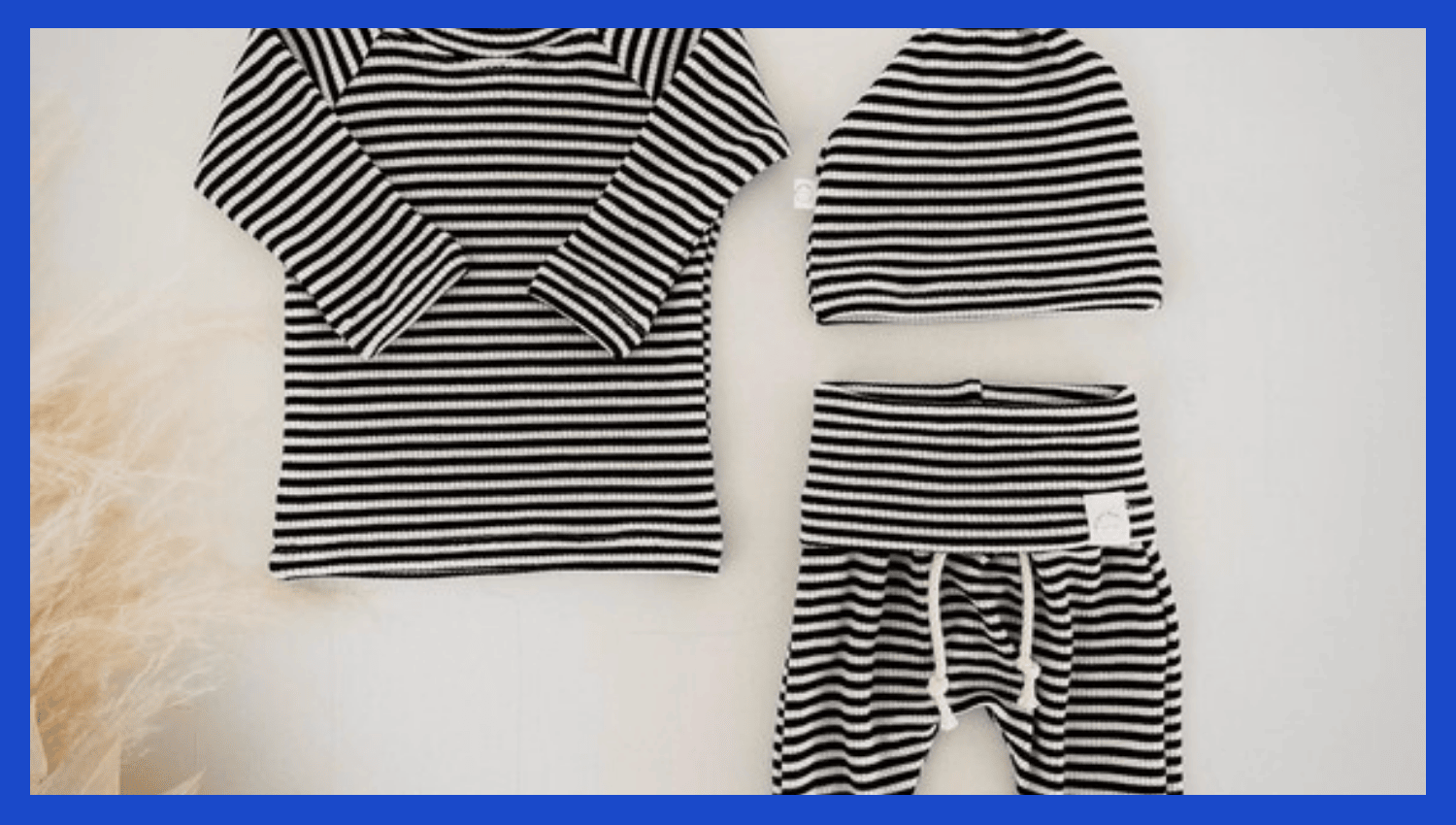
How to Wash Thermal Knit Baby Clothes?
Here are the four steps to wash thermal knit baby clothes:
- Turn Inside Out: Wash thermal knit clothes inside out. This maintains the knit surface not in contact with other weaves and does not cause the texture to be rough. The rotation of the cloth also minimizes friction, resulting in less fiber wear with repeated washing.
- Machine Wash on Gentle: Wash thermal knit using a soft machine. The cycle eliminates the stress on the fibers and maintains the stretch. Light movement avoids snagging, which is common in knit fabrics with open and elastic form.
- Do Not Overload Washer: Do not overload the washer when washing thermal knit. The extra weight puts a strain on the knit structure and causes the fabric to lose its form. Light loads allow greater space to have water and detergent to clean fibers without damage.
- Hand Wash Option: Washing hands is also a thermal knit safe alternative. It fits light pieces or extremely delicate pieces. The soft movements of the hands wash the material, without stressing the fibers, which makes the knit soft, warm and flexible to stay in use.
How Should You Dry and Iron Thermal Knit Baby Clothes?
Here are the four tips to dry and iron thermal knit baby clothes:
- Air-Dry Flat: Place lay thermal knit to dry on a clean surface. This technique does not stretch and it maintains shape and elasticity. Flat drying also minimizes wrinkles and makes the fabric soft and smooth to keep the babies comfortable.
- Avoid Direct Sunlight: Do not use thermal knit in direct sunlight when drying. Exposure to the sun makes fibers weak and fades away. Shade drying not only maintains the color of the fabric but also keeps it strong and this makes the clothes safe and can be worn longer without losing their softness.
- Low-Heat Tumble Dry: Always use short tumble drying on low heat. Light heat does not allow shrinking, and it preserves the knit structure. This is a way to dry clothes quickly and at the same time maintain flexibility and comfort to the babies during cold weather.
- Iron on Low Heat: Press thermal with a low-heat setting. Spray light steam to take out wrinkles and not damage the fibers. Ironing the fabric carefully helps maintain its smoothness and neatness, without experiencing binding that ruins the knit design and makes it less comfortable.
How Should You Store Thermal Knit Baby Clothes?
Here are the four tips to store thermal knit baby clothes:
- Cool, Dry Place: Keep clothes in a dry and cool environment in order to avoid mildew and smell. Wet storage fosters bacteria growth and destroys the fabric and dry conditions leave clothes fresh and ready to use.
- Fold Neatly: Fold the cloth rather than hanging as it distorts the shape of a knit fabric. Folding maintains the elasticity and retains the natural weave form to ensure the extended comfort of the weave.
- Breathable Storage Bags: Store clothes in breathable storage bags that enable the passage of air. These bags prevent the accumulation of moisture, have low chances of foul odor, and maintain the softness of the fabrics during extended durations.
- Keep Away from Heavy Items: Store clothes without heavy items that compress the clothes. Excessive weight compresses knit texture, reduces flexibility and ruins the natural stretch that makes thermal knit soft and comfortable.
What Special Care Tips Help Maintain Thermal Knit Baby Clothes?
Here are the four special care tips to maintain thermal knit baby clothes:
- Treat Stains Quickly: Wash fresh with a weak detergent/baby-friendly detergent. Light dabbing is the technique that picks up dirt but not fibers and maintains the knit surface to wear longer.
- Wash Less Frequently: Wash only when necessary to save the stretch of the knit. Washing too many times washes fibers and decreases their insulation capacity, which makes the fabric less effective in keeping the wearer warm during colder weather.
- No Fabric Softeners: It is better to avoid fabric softeners as they coat the fibers. This layer prevents air from passing through, lowers softness, and lowers the warming quality of the knit material.
- Handle Gently: Be careful when handling to stop snagging or pulling. Knitted loops are simple to stretch and washing or laundering keeps the texture intact and clothes in order.